
The W.O.L.F Approach
A Framework for Thoughtful, Fair, and Effective Dog Training and Behaviour Modification
Dog training is about much more than teaching commands or stopping unwanted behaviour. It is about understanding the dog in front of you, recognising what is influencing their behaviour, communicating clearly, and creating the conditions in which they can succeed.
The W.O.L.F Approach provides a practical framework to help owners do exactly that. By learning to Watch, Observe, Lead and Facilitate, you can make more thoughtful training decisions, respond to challenges with greater confidence, and build a clearer, stronger relationship with your dog.
What Is the W.O.L.F Approach?
The W.O.L.F Approach is the framework that underpins our training and behaviour support at Delightful Dog Days. It is not a single training method, a rigid set of rules, or a quick fix. Instead, it provides four clear steps that can be applied to puppies, adult dogs and everyday situations.
W.O.L.F encourages us to look beyond the behaviour we can immediately see. Before deciding how to respond, we consider what the dog is communicating, what may be influencing the behaviour, what guidance the dog needs, and how we can make the right choice easier for them.
This creates a more complete approach to training. It recognises that dogs need understanding and support, but also clear communication, appropriate boundaries, consistent guidance, and opportunities to practise the behaviours we want to see.
The Four Parts of the W.O.L.F Approach
-
Watch your dog’s body language, emotional state, and behaviour before deciding how to respond.
Dogs are communicating with us all the time, even when they are not barking, growling or pulling on the lead. Changes in posture, movement, facial expression, breathing, focus and energy can all tell us something about how a dog is feeling.
Watching means taking a moment to notice what your dog is communicating before reacting to the behaviour. Are they worried, excited, frustrated, tired, overwhelmed or struggling to understand what is expected? Recognising these signs can help us respond earlier and more appropriately.
The question to ask is: What is my dog telling me?
-
Observe the environment, triggers, motivations, and other factors influencing your dog’s behaviour.
Behaviour does not happen in isolation. The environment, the presence of people or other animals, previous experiences, access to resources, physical comfort, age, breed traits and levels of stimulation can all affect how a dog responds.
Observing the wider picture helps us understand why a behaviour may be happening. A dog who appears to ignore a recall cue may be highly distracted, a puppy who becomes mouthy may be overtired, and a dog barking on a walk may be worried, frustrated or too close to a trigger to think clearly.
The question to ask is: Why might this be happening?
-
Lead with clear, fair, and consistent guidance. Set expectations, communicate effectively, reinforce desirable behaviours, establish appropriate boundaries, and help your dog understand the right choices through clear communication and good timing.
Dogs benefit from knowing what is expected of them. Leading does not mean dominating or intimidating your dog. It means taking responsibility for teaching, guiding and communicating in a way your dog can understand.
This may involve reinforcing a desirable behaviour, interrupting an inappropriate choice, asking for an alternative, or calmly maintaining a boundary. Clear guidance helps prevent confusion and gives your dog useful information about what to do, rather than leaving them to work everything out alone.
The question to ask is: How should I communicate what I want?
-
Facilitate your dog’s success by managing the environment, planning training thoughtfully, and ensuring they have the skills they need to make the right choices.
Training becomes much harder when a dog is repeatedly placed in situations they are not yet ready to manage. Facilitation means setting up the environment, the training session and the dog’s daily routine so that successful choices are realistic.
This could mean using a baby gate to prevent counter surfing, creating more distance from another dog, providing an appropriate outlet for chewing or digging, using a long line while developing recall, or practising a new skill somewhere quiet before expecting it in a busy environment.
Management is not failure or avoidance. Used thoughtfully, it prevents unwanted behaviour from being repeatedly practised and gives training time to take effect.
The question to ask is: How can I make success more likely?
Think W.O.L.F
When you are unsure how to respond to your dog’s behaviour, pause and work through four simple questions:
Watch: What is my dog telling me?
Observe: Why might this be happening?
Lead: How should I communicate what I want?
Facilitate: How can I make success more likely?
These questions help turn a difficult moment into useful information. They allow you to make a considered decision based on the individual dog and situation, rather than responding only to the behaviour you can see.
Why I Created the W.O.L.F Approach
I created the W.O.L.F Approach because dog training advice can often feel divided into separate pieces. Owners may be told to read their dog’s body language, reinforce good choices, manage the environment or establish boundaries, but they are not always shown how those pieces work together.
Through my degree in Animal Behaviour, Training and Welfare, my professional experience, and life with my own dogs, I have seen that behaviour is rarely explained by one simple cause. Dogs are individuals, and the same outward behaviour can mean something very different depending on the dog, the environment and the circumstances.
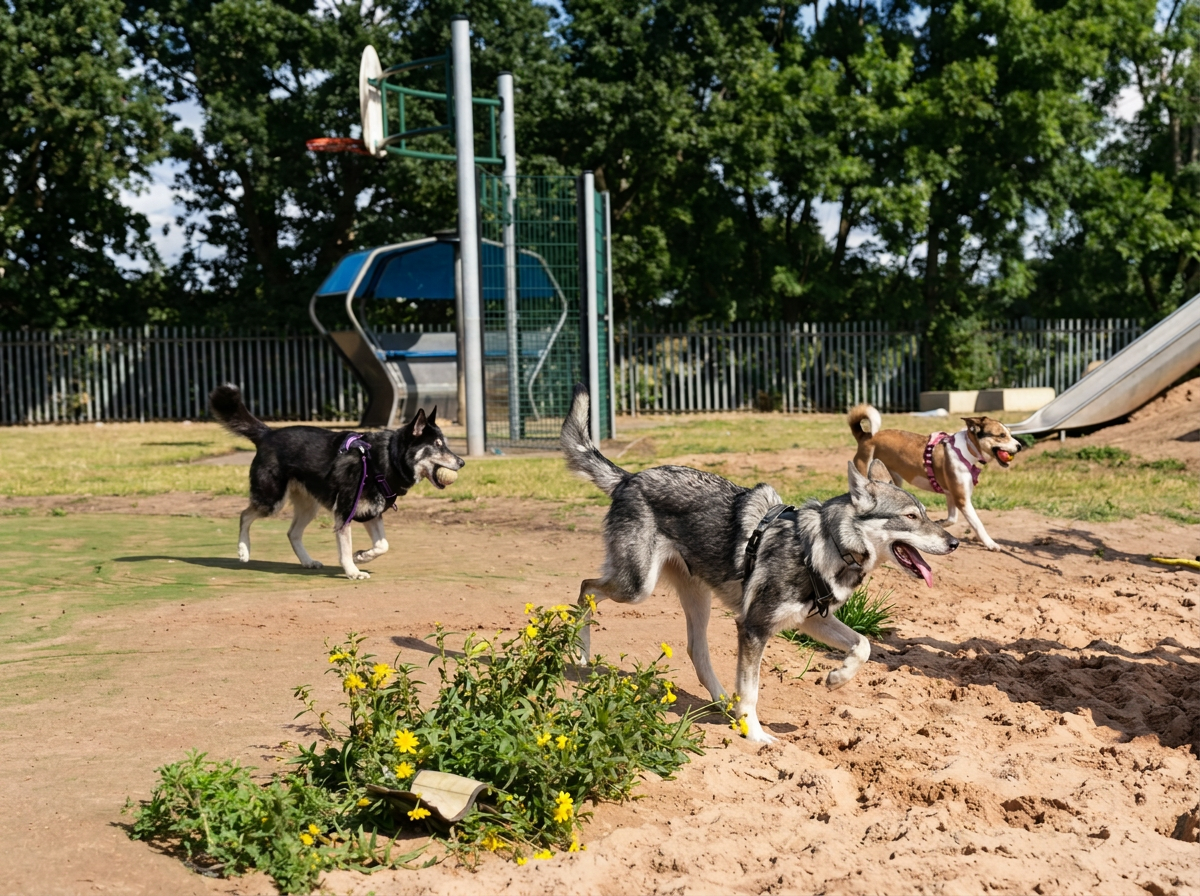
The approach was inspired by my own dogs, Queenie, Sasha and, ultimately, Willow. Each of them is an individual who experiences the world differently and responds differently to particular situations, environments and training methods. Genetics also play an important part, especially with my own dogs. Inherited breed traits and predispositions can influence a dog’s instincts, motivations, sensitivity, arousal and responses to the world around them. Genetics do not determine every choice a dog will make, but they form an important part of understanding the individual dog alongside their health, environment, learning history and life experiences.
What helps one dog may not be appropriate or effective for another, even when the behaviour appears similar. Living and working with Queenie, Sasha and Willow has continually reminded me of the importance of watching the dog in front of me, considering the wider picture, adapting my communication, and creating the right conditions for that individual dog to succeed.
I wanted to create a clear and memorable framework that owners could return to when training was not going to plan. W.O.L.F brings understanding, observation, communication and practical support together. It helps owners look at what is really happening, decide what their dog needs, and take an active role in guiding them towards better choices.
My aim is not to create perfect dogs. It is to help owners build the knowledge and confidence to understand, support and guide the dog in front of them.
Looking Beyond “Good” and “Naughty”
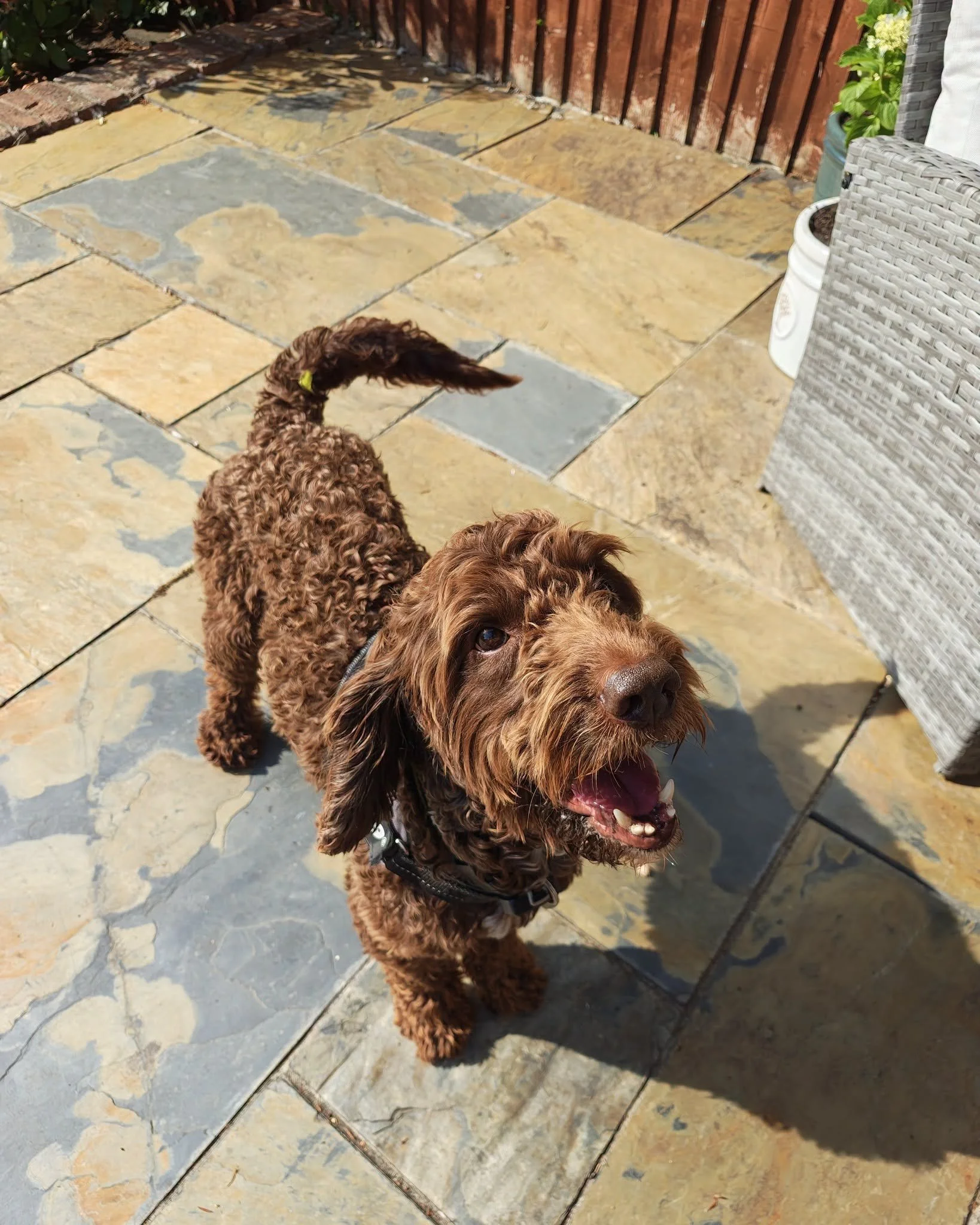
Dogs do not make choices based on a human understanding of good and bad. Behaviours such as barking, digging, chewing, jumping up or stealing food may be inconvenient, frustrating or unsafe, but they are not evidence that a dog is deliberately being naughty.
Behaviour is information. It may tell us that a dog is excited, anxious, frustrated, under-stimulated, overtired, highly motivated or unsure what to do instead. Understanding the reason does not mean that every behaviour must be allowed. It means that we can make a more informed decision about how to address it.
The W.O.L.F Approach allows us to acknowledge how the dog feels while still providing appropriate guidance and boundaries. We can understand the behaviour, teach a more suitable alternative, and manage the situation so the dog has a realistic opportunity to succeed.
What Does W.O.L.F Look Like in Everyday Life?
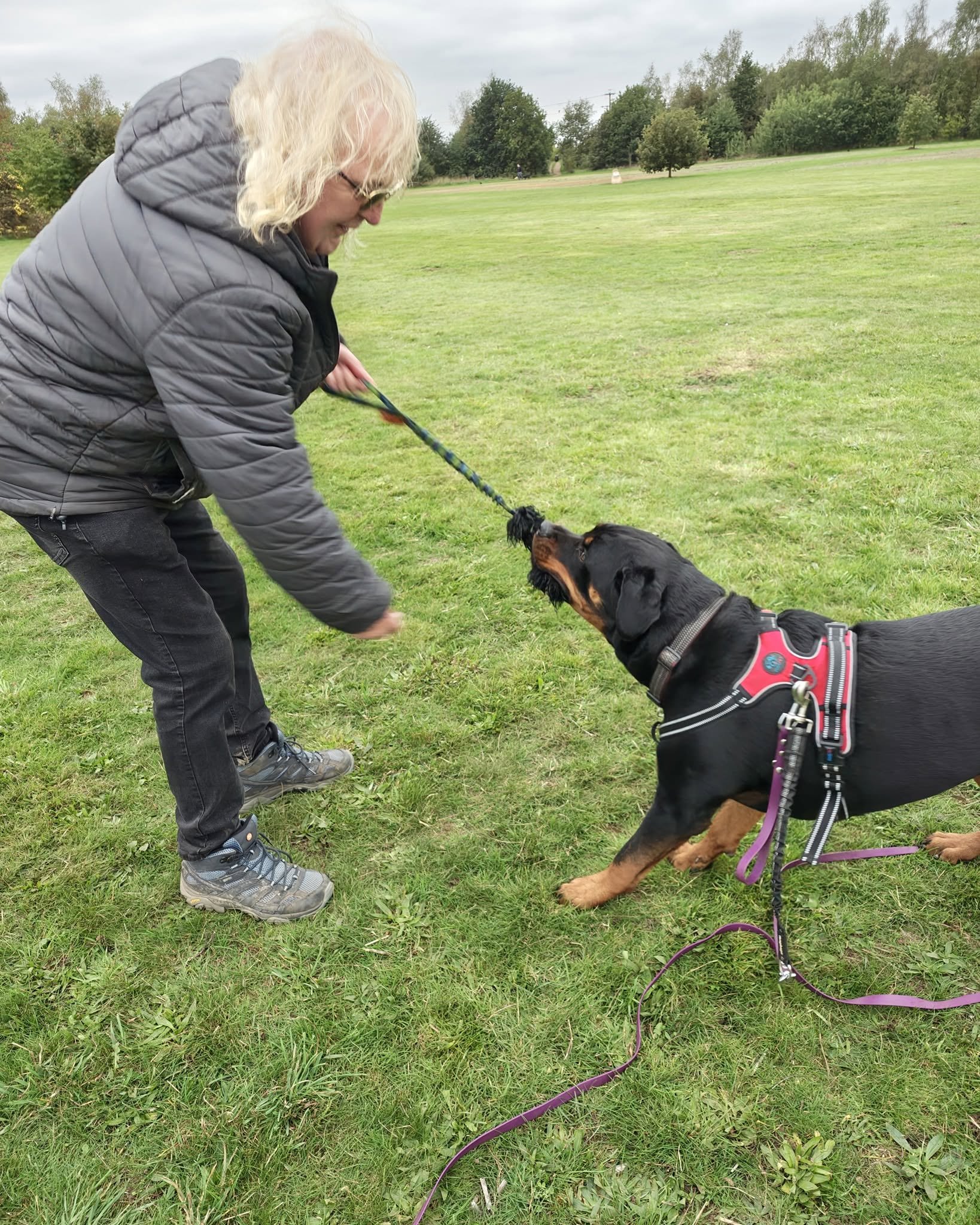
Imagine a dog who barks and pulls towards another dog while out walking.
First, we Watch their body language and behaviour. Are they loose and excitable, tense and worried, staring, avoiding, or already too overwhelmed to respond?
Next, we Observe the wider situation. How close is the other dog? Is the pathway narrow? Has the dog had a stressful day? Is there enough distance for them to remain calm and think clearly?
We then Lead by communicating what we would like the dog to do. This may involve guiding them away, asking for a familiar behaviour, reinforcing disengagement, or calmly interrupting an inappropriate choice before redirecting them.
Finally, we Facilitate success by creating enough distance, choosing an appropriate training environment, using suitable equipment, and practising the necessary skills at a level the dog can manage.
The same process can be used for pulling on the lead, jumping at visitors, puppy biting, stealing objects, struggling to settle, ignoring recall or becoming overwhelmed in new places. The response will vary because every dog and situation is different, but the framework remains the same.
More Than Obedience Training
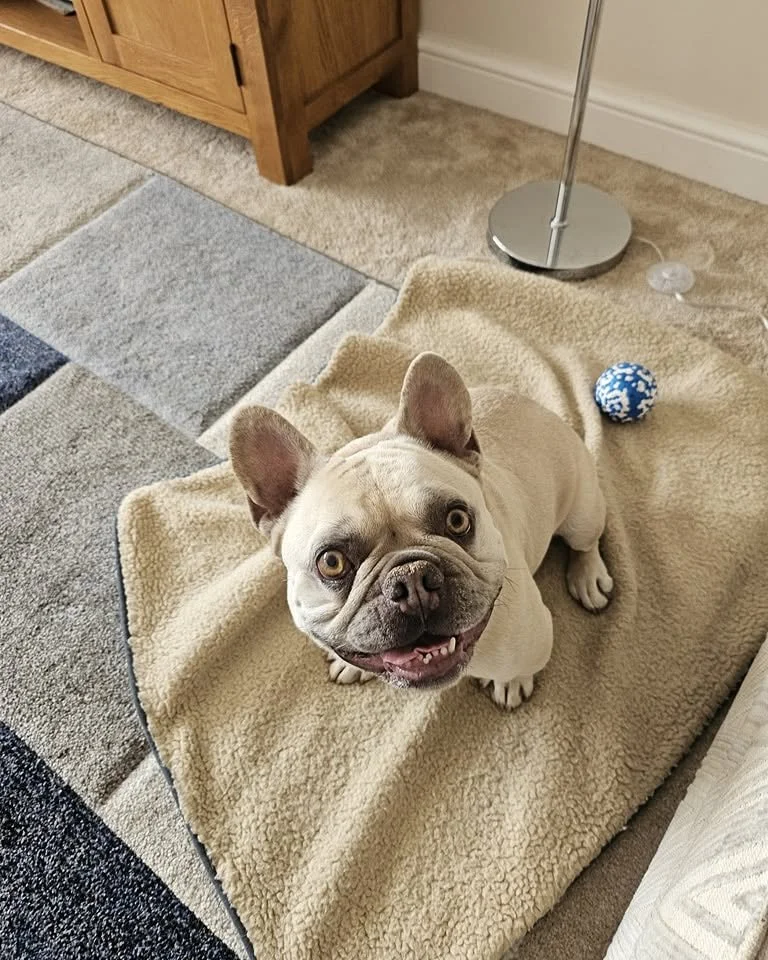
The W.O.L.F Approach is not solely about obedience or teaching a dog to follow commands. It considers the dog’s emotional state, natural behaviours, individual needs, environment and relationship with their owner alongside practical training.
The aim is to develop useful real-life skills while helping owners understand the reason behind their dog’s behaviour. This may include learning to walk calmly on the lead, return when called, settle around visitors, cope with unfamiliar environments, make better choices around distractions, or recover more quickly after becoming worried or excited.
Progress will not always be perfectly linear. Dogs have good days and difficult days, just as people do. W.O.L.F gives owners a structure they can return to when when circumstances change or training becomes challenging.
How We Use W.O.L.F at Delightful Dog Days
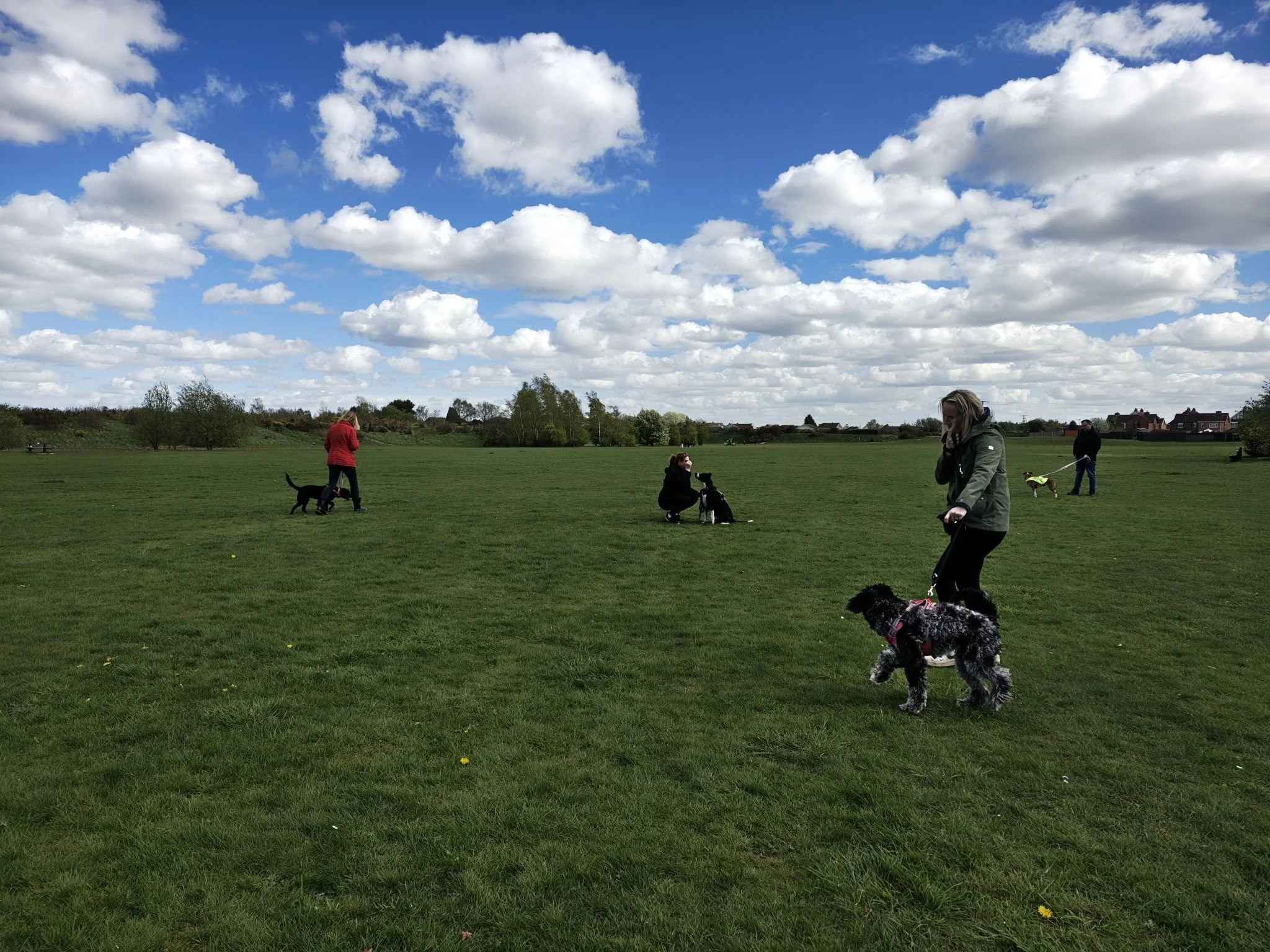
The W.O.L.F Approach runs through our training services, from puppy foundations and everyday manners to more complex behavioural support. We use it to understand the individual dog, identify the factors affecting their behaviour, develop an appropriate training plan, and give owners practical guidance they can use in daily life.
During training, we will help you learn how to read your dog’s body language, recognise patterns and triggers, communicate clearly, reinforce desirable behaviours, establish fair boundaries, and adapt the environment where needed.
Rather than providing a generic solution, we consider your dog’s age, breed, history, personality, motivation, home life and current skills. This allows us to create realistic training steps that suit both your dog and your household.
The framework can also inform the way we provide walking and care services. Watching the dog, observing the environment, offering appropriate guidance and creating the conditions for success allows us to provide more individualised support throughout their time with us.
Is the W.O.L.F Approach Right for You and Your Dog?
W.O.L.F can be adapted for dogs of different ages, breeds and backgrounds. It may be helpful if you:
Have recently welcomed a puppy and want to build strong foundations.
Are finding adolescence more difficult than expected.
Want help with recall, lead walking, calmness or impulse control.
Live with a rescue dog who needs patient, individual support.
Are struggling to understand why a particular behaviour keeps happening.
Need support with reactivity, fear, frustration or other behavioural concerns.
Want to communicate more clearly and develop a better understanding of your dog.
You do not need to have everything figured out before contacting us. Part of our role is helping you understand what is happening and deciding on a realistic place to begin.
Begin Your W.O.L.F Journey
Whether you are raising a new puppy, working through an everyday training challenge or looking for support with more complex behaviour, the W.O.L.F Approach can help you understand what your dog needs and what to do next.
We will work with you to create a plan that is clear, practical and tailored to your dog, your goals and your everyday life.
Frequently Asked Questions
-
W.O.L.F is a decision-making and training framework rather than one individual method. It helps us understand the dog and situation before selecting the most appropriate way to respond. The practical training used will depend on the individual dog, their needs, their existing skills and the behaviour being addressed.
-
We take a thoughtful, fair and individual approach to training. We reinforce desirable behaviours, teach practical alternative skills, communicate expectations clearly, establish appropriate boundaries, and use environmental management to prevent dogs from repeatedly practising unwanted or unsafe behaviours.
There is no single technique that suits every dog or every situation. Recommendations are based on the dog’s behaviour, emotional state, learning history, motivation and the needs of the household. Any approach used will be explained so that owners understand what they are doing, why they are doing it, and how to apply it consistently.
-
Yes. The framework can help us assess and work with concerns such as reactivity, fear, frustration, resource guarding, difficulties around visitors, overexcitement and problems settling. More complex cases will usually begin with an initial consultation so that we can gather a full history, assess the behaviour and create an appropriate training and management plan.
-
Yes. W.O.L.F is especially useful during puppyhood because it helps owners understand normal puppy behaviour, build confidence safely, create appropriate boundaries and teach useful habits from the beginning. The framework continues to be useful throughout adolescence and adulthood.
-
Yes. W.O.L.F was created to be practical and easy to remember. You can use the four questions during walks, at home, around visitors, when introducing new experiences, or whenever you are unsure how to respond to your dog’s behaviour.
-
No. Understanding why a behaviour is happening does not mean ignoring behaviour that is inappropriate, disruptive or unsafe. It allows us to choose a fairer and more effective response. Your dog may need guidance, a boundary, an alternative behaviour, a change to the environment, or a combination of these.
-
The best starting point will depend on your dog and the support you need. You can explore our training services or contact us to discuss the most suitable option. Dogs with complex behavioural concerns will normally require an initial consultation before beginning further sessions.